
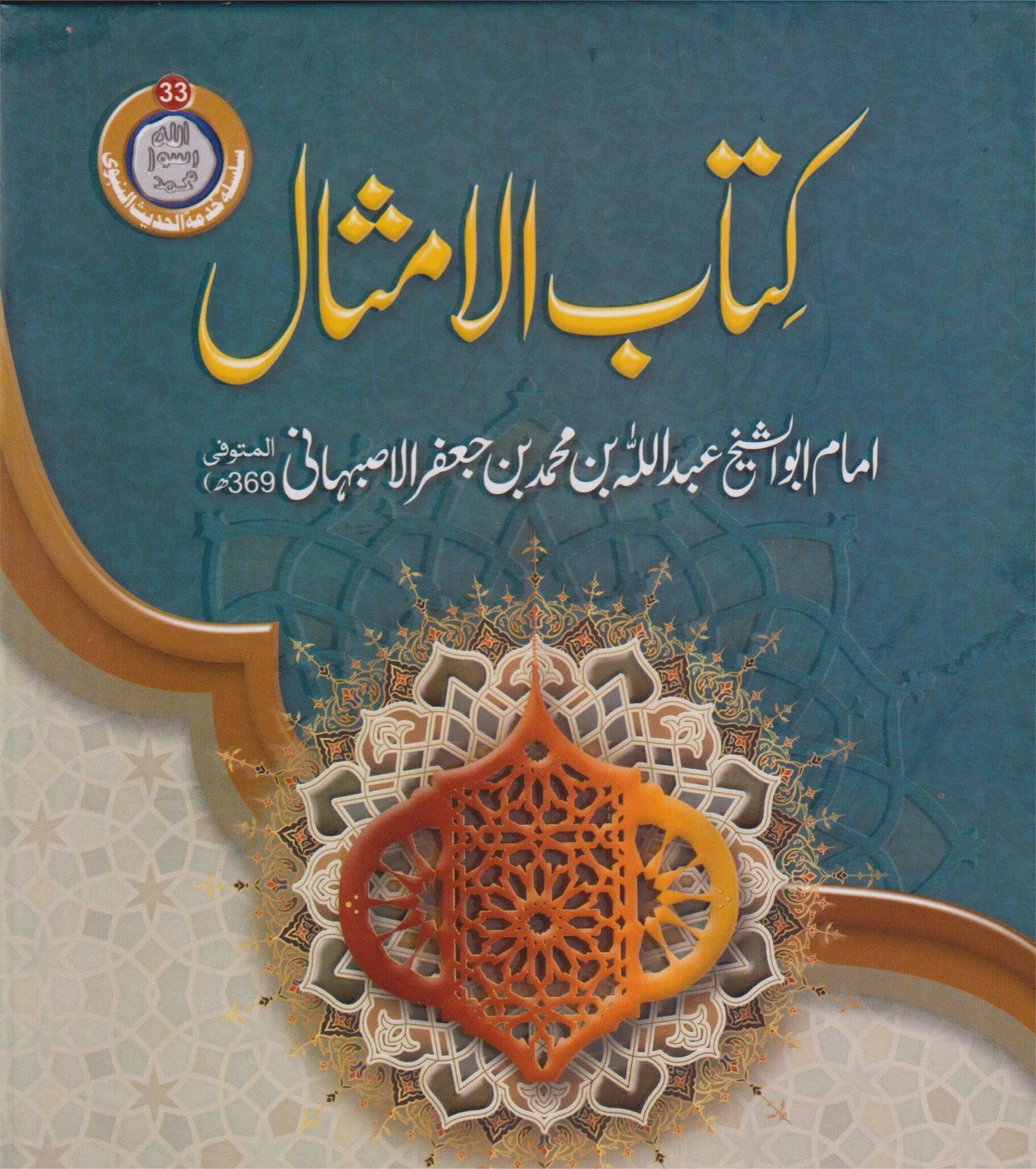
خانگی امور سے متعلق امثال الحدیث کی عصری معنویت کتاب الامثال للاصبہانی کے تناظر میں
The Contemporary Relevance of Parables in Hadith Pertaining to Family Matters: An Analytical Study in the Light of Al-Amthal fi al-Hadith by Abu al-Shaykh al-Asbahani
الكلمات المفتاحية:
Amthal al-Ḥadith، human relationships، emotional balance، social environmentالملخص
Amdahl al-Hadith represent an effective and simple educational approach in which the Prophet Muhammad ﷺ explained moral, psychological, and social realities through brief and clear examples. Through the use of similes, metaphors, and symbolic expressions, the Prophet ﷺ provided comprehensive guidance for human relationships, especially within the family system. The objective of this research is to examine selected prophetic parables related to marital relations, mutual rights, emotional balance, and ethical conduct, and to understand them in connection with the challenges of the modern era. In today’s world, the family system is under great pressure due to rapid social changes, increasing individualism, and unrealistic expectations, while a lack of tolerance and emotional understanding has further intensified these problems. In such circumstances, the Prophetic parables help in understanding human nature and in establishing healthy and balanced relationships. Similarly, in the light of authentic scholarly works such as Kitāb al-Amthāl, understanding and presenting the Prophetic parables in a contemporary context is highly essential for reviving a strong, dignified, and value-based family system. This approach not only reduces the gap between tradition and modernity but also makes it possible to build a balanced, peaceful, and spiritually grounded family life in today’s complex social environment.
التنزيلات
المراجع
1. محمد عبد اللہ بن محمد بن جعفر بن حیان،طبقات المحدثین باصبھان والواردین علیھا(مؤسسۃ الرسالۃ،س ن)،1/66۔
2. مسلم بن الحجاج ابو الحسن القشیری، المسند الصحیح المختصر بنقل العدل عن العدل الی رسول اللہﷺ ، کتاب الزکاۃ ، باب فضل النفقہ علی العیال والمملوک(بیروت:دار احیاء التراث،1900ء)،692:2،رقم:996۔
3. القرآن 2/233
4. ماہر یاسین الفحل، المنتخب من صحیح السنۃ( کلیۃ العلوم الاسلامیۃ، جامعۃ الانبار،س ن)،19۔
5. ابو داؤد سلیمان بن اشعث سجستانی ، سنن ابو داؤد، کتاب الطلاق، باب الولد للفراش(بیروت: المکتبۃ العصریہ، 1972ء )،283:2، رقم:2274۔
6. القرآن 17/32
7. محمد بن اسماعیل البخاری،الجامع الصحیح البخاری، کتاب الفرائض، باب من ادعیٰ الی غیر ابیہ(بیروت:دار طوق النجاۃ،2001ء) ،156:8،رقم:6766۔
8. مسلم، صحیح مسلم، کتاب الرضاع ، باب بیان خیرمتاع الدنیا المراۃ الصالحۃ ،1090:2،رقم:1467۔
9. القرآن 30/21
10. امام احمد بن حنبل الشیبانی ،مسند امام احمد،کتاب باقی العشرۃ المبشرین بالجنۃ،باب مسند عبد الرحمن بن عوف (مؤسسۃ الرسالۃ،2001ء)،199:3،رقم:1661۔
11. بخاری،صحیح بخاری،کتاب النکاح،باب الولیمۃ حق،23:7،رقم:5165۔
12. القرآن 2/185
13. شیبانی ،مسند امام احمد،کتاب مسند النساء،باب مسند عائشہ صدیقہ ، 9:40،رقم:24011۔
14. مسلم، صحیح مسلم، کتاب الرضاع ، باب الوصیۃ بالنساء ،1090:2،رقم:1468۔
15. القرآن 4/19
16. مسلم، صحیح مسلم، کتاب البر والصلۃ والآداب ، باب فضل الرفق،2004:4،رقم:2594۔
17. https://kitabosunnat.com/musannifeen/muhammad-arshad-kamal
التنزيلات
منشور
إصدار
القسم
الرخصة
الحقوق الفكرية (c) 2026 Mudassir Iqbal, Matloob Alam (Author)

هذا العمل مرخص بموجب Creative Commons Attribution 4.0 International License.
Authors retain the copyright and full publishing rights of their work. All articles published in Scholar Insight Journal are licensed under the Creative Commons Attribution 4.0 International License (CC BY 4.0).
Under this license, readers are permitted to read, download, copy, distribute, print, search, link to the full texts, and reuse the published articles for any lawful purpose, including adaptation and commercial use, provided that appropriate credit is given to the original author(s), the source of publication, and the license terms are properly acknowledged.
The journal retains the right of first publication while authors maintain ownership of their intellectual property rights without restrictions.